Commitment to Sustainability

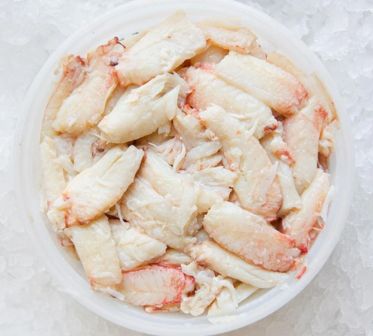
Founded in 2016, the Crab Meat Processors Association (CMPA), India is a collective voice representing crab meat processors across the country. We are committed to advancing India’s crab meat industry by promoting sustainable practices, supporting coastal communities, and strengthening global market presence.
We proudly coordinate Fishery Improvement Projects (FIP) for crab sustainability in partnership with the NFI Crab Council. Our association also partners with key organizations such as:
India is strategically positioned between the Arabian Sea to the west, the Bay of Bengal to the east, and the Indian Ocean to the south. With a 7,517 km coastline, India has immense marine biodiversity and fisheries potential. Tamil Nadu alone contributes 1,076 km of coastline, predominantly along the Gulf of Mannar and Palk Bay, making it one of the key regions for marine resources.
Maritime States Driving India’s Seafood Industry India comprises 11 maritime states: West Coast: Gujarat, Maharashtra, Diu & Daman, Goa, Karnataka, Kerala East Coast: Tamil Nadu, Puducherry, Andhra Pradesh, Odisha, West Bengal These coastal states support year-round production of: Shrimp Fish Crab Molluscs Cephalopods These products serve both domestic consumption and global export markets.
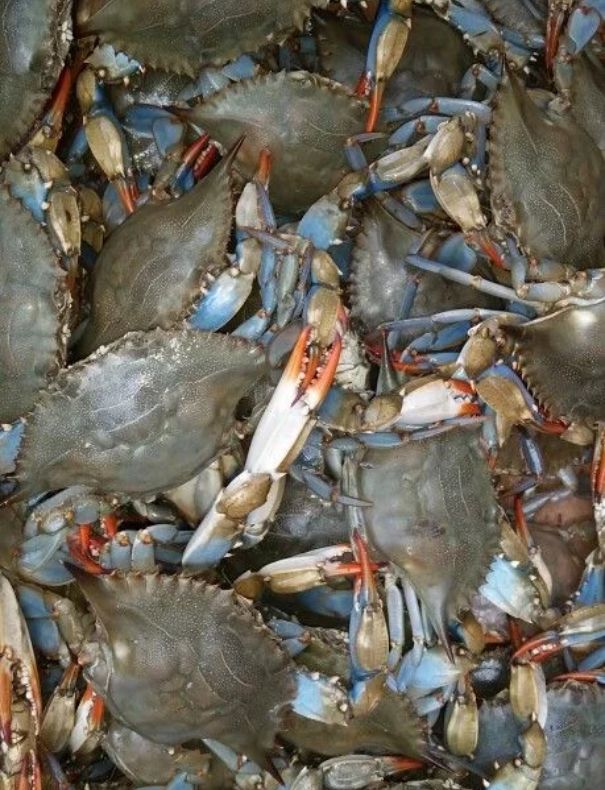
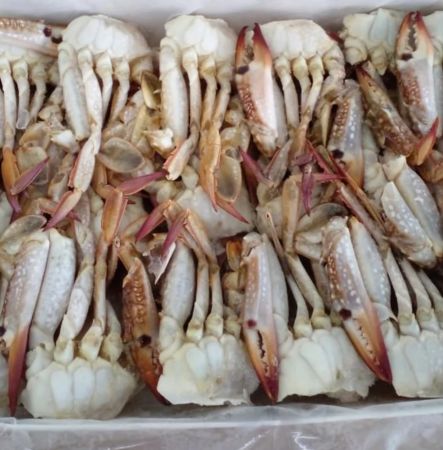
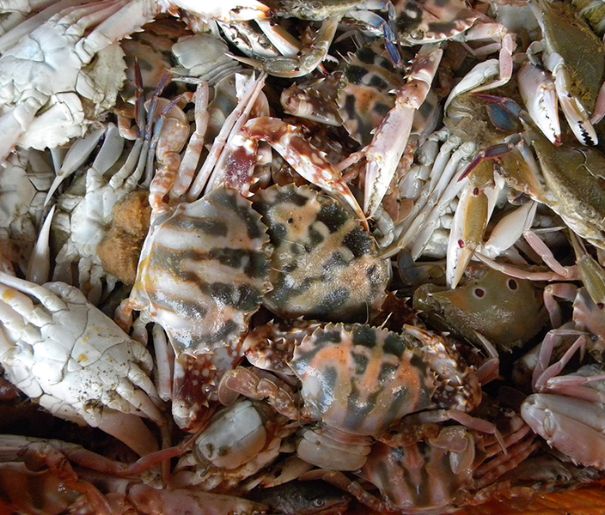
The Blue Swimming Crab (Portunus pelagicus) is an important crustacean species in India’s marine fishery. It is widely landed along both the east and west coasts, especially in major fish landing centers. The species is mainly caught by traditional fishing crafts, FRP boats, and trawlers (as bycatch) using bottom-set gill nets.
BSC is a free-swimming crab commonly found in inshore waters, where food is abundant.
Adult crabs migrate to clear offshore waters for spawning.
Fertilized eggs hatch into microscopic planktonic larvae (Zoaea stage). After 5–7 zoeal stages, they develop into the Megalopa stage, and later into juvenile crabs. Juveniles return to nearshore waters, where food is plentiful.